
Category: Law Practice

  • Managing Case Workflows: Efficient Techniques for Law Practice

    Managing Case Workflows: Efficient Techniques for Law Practice

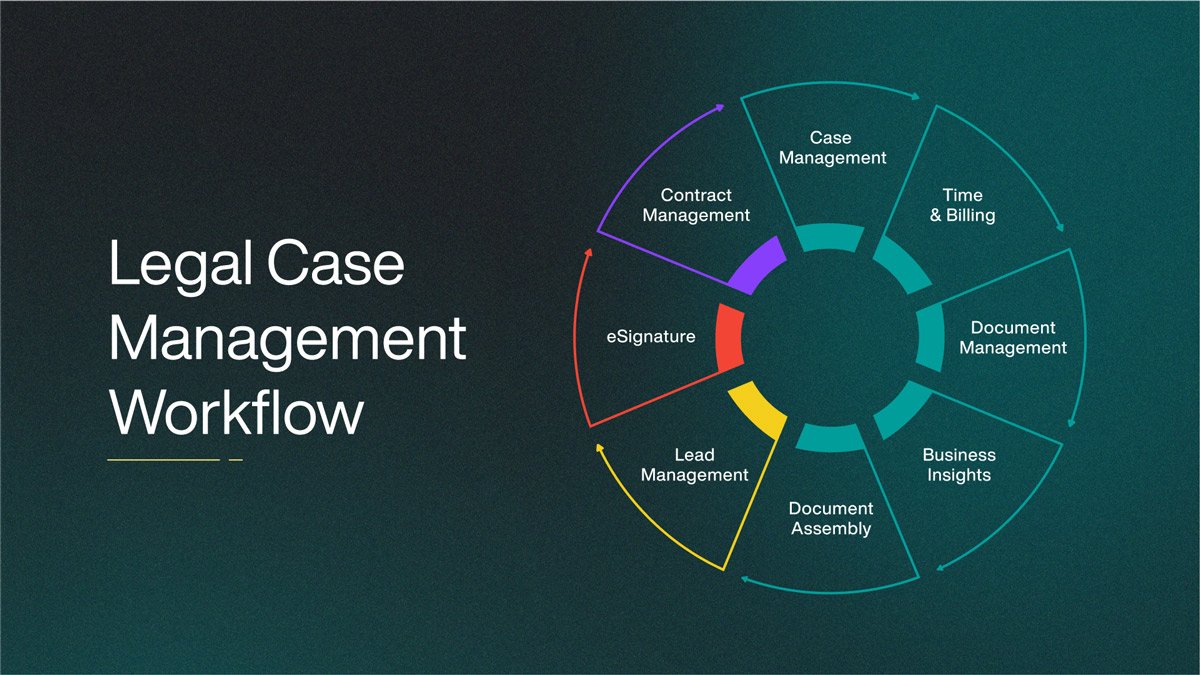
    Managing case workflows effectively is crucial for the success and efficiency of a law practice. Streamlining operations, reducing administrative burdens, and ensuring timely case progress are essential for maintaining a high level of client service and operational efficiency. Here’s a comprehensive guide to managing case workflows using efficient techniques.
    Techniques for Law Practice
    Techniques for Law Practice

    Understanding Case Workflows

    What Is a Case Workflow?

    A case workflow encompasses the series of tasks and processes involved in handling a legal case from inception to resolution. It includes managing deadlines, documentation, client interactions, and legal procedures. An efficient workflow ensures that all aspects of the case are handled systematically and effectively.

    Importance of Efficient Workflows

    Efficient case workflows lead to:

    • Improved Productivity: Streamlined processes allow legal professionals to handle more cases and complete tasks more quickly.
    • Enhanced Client Satisfaction: Timely and accurate case management contributes to a positive client experience.
    • Reduced Errors: A well-organized workflow minimizes the risk of mistakes and missed deadlines.

    Techniques for Efficient Case Workflow Management

    Implement Case Management Software

    Centralized Case Information

    Case management software centralizes all case-related information, including documents, communications, and deadlines. This centralization improves organization and accessibility, ensuring that all relevant information is readily available.

    Workflow Automation

    Many case management systems offer workflow automation features. Automation can handle routine tasks such as scheduling, document generation, and deadline reminders. This reduces manual effort and minimizes the risk of errors.

    Develop Standardized Procedures

    Create Checklists and Templates

    Develop standardized checklists and templates for common tasks and case types. Checklists help ensure that all necessary steps are completed, while templates streamline document creation and ensure consistency.

    Document Workflows

    Outline and document workflows for various case types and tasks. Clearly defined procedures provide a roadmap for handling cases and help maintain consistency across the practice.

    Utilize Project Management Tools

    Task Management

    Project management tools can be used to manage tasks, assign responsibilities, and track progress. Features such as task lists, deadlines, and progress tracking enhance efficiency and accountability.

    Collaboration and Communication

    Many project management tools offer collaboration features, such as shared workspaces and communication channels. These tools facilitate effective collaboration among team members and ensure that everyone stays informed about case developments.

    Implement Time Management Strategies

    Prioritize Tasks

    Prioritize tasks based on urgency and importance. Use time management techniques, such as the Eisenhower Matrix or the Pomodoro Technique, to focus on high-priority tasks and manage your time effectively.

    Set Clear Deadlines

    Establish clear deadlines for each stage of the case and monitor progress to ensure timely completion. Use calendar tools and reminders to keep track of important dates and avoid missing deadlines.

    Regularly Review and Adjust Workflows

    Conduct Workflow Audits

    Regularly review and audit your case workflows to identify areas for improvement. Assess the efficiency of current processes, gather feedback from staff, and make necessary adjustments to enhance workflow effectiveness.

    Adapt to Changes

    Be adaptable and open to changes in case management practices. Implement new tools or adjust workflows based on evolving needs, technological advancements, or feedback from clients and team members.

    Focus on Document Management

    Secure Storage and Access

    Implement a document management system that ensures secure storage and easy access to case files. Secure access controls and encryption protect sensitive information and maintain client confidentiality.

    Efficient Document Handling

    Streamline document handling processes, such as filing, retrieval, and sharing. Use document automation tools to generate and manage documents efficiently, reducing manual effort and increasing accuracy.

    Enhance Client Communication

    Maintain Regular Updates

    Keep clients informed with regular updates about their cases. Use automated communication tools or client portals to provide timely information and updates, improving client engagement and satisfaction.

    Utilize Secure Communication Channels

    Ensure that all client communications are conducted through secure channels. Use encrypted email or secure client portals to protect sensitive information and maintain confidentiality.

    Training and Development

    Provide Training for Staff

    Onboarding and Ongoing Education

    Ensure that all staff members receive proper training on case management procedures, tools, and technologies. Ongoing education and professional development help staff stay updated on best practices and new tools.

    Encourage Best Practices

    Promote best practices for case management among your team. Share tips, guidelines, and resources to help staff efficiently manage case workflows and maintain high standards of performance.

    Foster a Collaborative Environment

    Encourage Team Collaboration

    Create a collaborative work environment where team members can share knowledge, resources, and support. Collaboration enhances problem-solving and ensures that all aspects of the case are managed effectively.

    Facilitate Communication

    Encourage open communication within the team to address challenges, share updates, and discuss case progress. Effective communication fosters a positive work environment and enhances overall workflow efficiency.

    Conclusion

    Managing case workflows efficiently is essential for the success of any law practice. By implementing case management software, developing standardized procedures, utilizing project management tools, and focusing on document management, you can streamline operations and enhance productivity. Regularly reviewing and adjusting workflows, providing staff training, and fostering a collaborative environment contribute to maintaining efficient case management practices. Embracing these techniques will help you build a more organized, responsive, and successful law practice.


  • Building a Successful Law Practice: Marketing Strategies and Business Development

    Building a Successful Law Practice: Marketing Strategies and Business Development

    Building a successful law practice involves more than just providing excellent legal services. Effective marketing and business development are crucial for attracting clients, establishing a strong reputation, and growing your firm. Here’s a comprehensive guide to marketing strategies and business development techniques to help you build a thriving law practice.

    Building a Successful Law Practice
    Building a Successful Law Practice

    Marketing Strategies for Law Practices

    Establish a Strong Online Presence

    Develop a Professional Website

    A well-designed, user-friendly website is essential for any law practice. Your website should clearly present your services, expertise, and contact information. Include client testimonials, case studies, and a blog to showcase your knowledge and provide valuable information to potential clients.

    Optimize for Search Engines (SEO)

    Search Engine Optimization (SEO) is crucial for improving your website’s visibility on search engines like Google. Use relevant keywords, optimize meta tags, and ensure your website’s content is high-quality and informative. Local SEO strategies, such as optimizing for “lawyer near me,” can help attract clients in your geographic area.

    Leverage Social Media

    Choose the Right Platforms

    Identify the social media platforms that best align with your target audience. LinkedIn, Facebook, and Twitter are commonly used by legal professionals to connect with clients and peers. Tailor your content to each platform and engage with your audience regularly.

    Share Valuable Content

    Share informative and engaging content on your social media profiles, including legal tips, industry news, and updates about your firm. Providing valuable content helps establish your expertise and builds trust with potential clients.

    Invest in Online Advertising

    Use Pay-Per-Click (PPC) Advertising

    Pay-Per-Click (PPC) advertising, such as Google Ads, allows you to target specific keywords and reach potential clients actively searching for legal services. PPC campaigns can drive targeted traffic to your website and generate leads.

    Explore Social Media Ads

    Social media platforms offer targeted advertising options to reach potential clients based on demographics, interests, and behavior. Utilize these ads to promote your services, special offers, or content that resonates with your audience.

    Network and Build Relationships

    Attend Industry Events

    Participate in legal conferences, seminars, and networking events to connect with other professionals and potential clients. Building relationships within the industry can lead to referrals and collaborations that benefit your practice.

    Join Professional Associations

    Join local and national bar associations or legal organizations to expand your network and enhance your credibility. Being an active member of these associations can provide valuable networking opportunities and access to resources.

    Business Development Techniques

    Focus on Client Relationships

    Provide Exceptional Client Service

    Delivering exceptional client service is crucial for building a successful law practice. Ensure that your clients receive prompt, personalized attention and that their needs are met throughout their legal journey.

    Encourage Referrals

    Satisfied clients are a valuable source of referrals. Encourage your clients to refer friends, family, or colleagues who may need legal services. Consider implementing a referral program or offering incentives for successful referrals.

    Develop a Niche Practice

    Specialize in a Practice Area

    Developing a niche practice can help differentiate your firm from competitors and attract clients seeking specialized legal services. Focus on areas where you have expertise or where there is a high demand in your market.

    Build Your Reputation

    Establish yourself as an expert in your niche practice area by publishing articles, speaking at events, or participating in industry panels. Building a strong reputation helps attract clients looking for specialized legal representation.

    Implement Efficient Operational Practices

    Optimize Your Workflow

    Streamline your practice’s operations by implementing efficient workflows and processes. Use case management software to organize cases, track deadlines, and manage client information. Efficient operations improve productivity and client satisfaction.

    Monitor Financial Performance

    Regularly review your practice’s financial performance, including revenue, expenses, and profitability. Implement financial management tools to track and analyze financial data. Understanding your practice’s financial health helps in making informed business decisions.

    Invest in Professional Development

    Continue Your Education

    Stay updated on legal trends, changes in the law, and best practices by investing in continued education and professional development. Attend legal seminars, workshops, and courses to enhance your skills and knowledge.

    Encourage Staff Development

    Support the professional development of your staff by providing training and growth opportunities. A well-trained and motivated team contributes to the overall success of your practice.

    Conclusion

    Building a successful law practice requires a combination of effective marketing strategies and robust business development techniques. By establishing a strong online presence, leveraging social media, investing in advertising, and focusing on client relationships, you can attract clients and grow your firm. Additionally, specializing in a niche practice, optimizing operational practices, and investing in professional development contribute to long-term success. By implementing these strategies, you can build a thriving law practice that stands out in a competitive legal market.

  • The Role of Technology in Modern Law Practice: Innovations and Trends

    The Role of Technology in Modern Law Practice: Innovations and Trends

    Technology has revolutionized modern law practice, introducing innovative tools and trends that enhance efficiency, streamline operations, and improve client service. From case management systems to artificial intelligence, technology is reshaping how legal professionals operate. Here’s a comprehensive look at the role of technology in today’s legal field.

    Technology in Modern Law Practice
    Technology in Modern Law Practice

    Innovations in Legal Technology

    Case Management Systems

    Centralized Case Information

    Case management systems are essential for organizing and managing case-related information. These systems centralize documents, communications, and deadlines, allowing for easy access and efficient case management. Features often include task tracking, calendar integration, and document storage.

    Workflow Automation

    Many case management systems offer workflow automation features that streamline routine tasks. Automation can handle case intake, document generation, and deadline reminders, reducing administrative burdens and minimizing errors.

    Legal Research Tools

    Advanced Search Capabilities

    Legal research tools have evolved significantly, offering advanced search capabilities that improve the efficiency of legal research. These tools use natural language processing and machine learning to help attorneys find relevant case law, statutes, and legal precedents more quickly.

    Research Databases

    Access to comprehensive research databases is crucial for legal research. Modern tools provide access to extensive libraries of legal texts, case law, and journal articles, allowing for in-depth and accurate legal research.

    E-Discovery Tools

    Streamlined Document Review

    E-discovery tools facilitate the electronic discovery process by streamlining document review and management. These tools use technology to search, filter, and analyze large volumes of electronic evidence, making the discovery process more efficient and less time-consuming.

    Data Analytics

    Advanced e-discovery tools incorporate data analytics to identify patterns and trends in large datasets. This can provide valuable insights and help in building stronger cases by highlighting key information and connections.

    Artificial Intelligence (AI)

    Predictive Analytics

    AI-driven predictive analytics tools use historical data to forecast case outcomes, assess risks, and provide strategic insights. These tools help attorneys make data-driven decisions and improve their case strategies.

    Document Automation

    AI technologies also enable document automation, where routine legal documents and contracts can be generated based on pre-set parameters. This reduces manual drafting time and ensures consistency and accuracy in documentation.

    Trends in Legal Technology

    Remote Work and Virtual Law Offices

    Increased Flexibility

    The rise of remote work has led to the growth of virtual law offices. Technology enables attorneys to work from various locations, providing flexibility and increasing accessibility for both clients and legal professionals.

    Virtual Consultations

    Virtual consultation tools, including video conferencing and secure messaging platforms, facilitate remote interactions between attorneys and clients. This trend enhances convenience and allows for more efficient communication and service delivery.

    Blockchain Technology

    Secure Transactions

    Blockchain technology offers secure and transparent transaction methods. In legal practice, blockchain can be used for smart contracts, property transfers, and verifying the authenticity of legal documents, reducing fraud and increasing transparency.

    Immutable Records

    Blockchain’s immutable ledger ensures that records cannot be altered once they are added to the blockchain. This provides a secure way to maintain and verify legal records and evidence.

    Legal Tech Startups

    Innovative Solutions

    Legal tech startups are continuously developing innovative solutions to address various challenges in the legal industry. These startups focus on areas such as document automation, legal analytics, and client management, driving technological advancements in law practice.

    Integration with Existing Systems

    Many legal tech startups create tools that integrate with existing case management systems and legal software. This integration enhances the functionality of traditional systems and provides a more cohesive technological ecosystem.

    Cybersecurity and Data Protection

    Enhanced Security Measures

    With the increased use of technology in law practice, cybersecurity and data protection have become critical. Legal professionals must implement robust security measures to protect sensitive client information and ensure compliance with data protection regulations.

    Compliance with Regulations

    Legal technology tools often include features to help law firms comply with data protection regulations, such as encryption, secure access controls, and audit trails. Ensuring compliance helps safeguard client data and maintain trust.

    Implementing Technology in Law Practice

    Assessing Needs

    Identify Practice Requirements

    Before adopting new technology, assess your practice’s specific needs and challenges. Identify which areas would benefit most from technological solutions and select tools that align with your practice’s goals and workflows.

    Evaluate Technology Options

    Research and evaluate different technology options based on features, ease of use, cost, and integration capabilities. Consider seeking recommendations from peers or consulting with technology experts to make informed decisions.

    Training and Support

    Provide Training

    Ensure that all staff members are trained in using new technology. Effective training helps maximize the benefits of technology and reduces the likelihood of errors or resistance to change.

    Seek Ongoing Support

    Opt for technology solutions that offer ongoing support and updates. Reliable customer support ensures that any issues are addressed promptly and that the technology continues to meet evolving needs.

    Conclusion

    Technology plays a pivotal role in modern law practice, offering innovations and trends that enhance efficiency, improve client service, and streamline operations. From case management systems to AI-driven tools, legal technology is transforming how legal professionals work and interact with clients. By staying informed about technological advancements and implementing effective solutions, law practices can adapt to the evolving legal landscape and achieve greater success.

  • Navigating Ethical Dilemmas in Law Practice: Guidelines and Solutions

    Navigating Ethical Dilemmas in Law Practice: Guidelines and Solutions

    Ethical dilemmas are an inherent part of law practice, challenging attorneys to balance their professional responsibilities with moral and legal standards. Navigating these dilemmas requires a thorough understanding of ethical guidelines, practical solutions, and a commitment to maintaining integrity. Here’s a comprehensive guide to addressing ethical dilemmas in law practice.

    Ethical Dilemmas in Law Practice
    Ethical Dilemmas in Law Practice

    Understanding Ethical Dilemmas

    Definition and Nature

    What Constitutes an Ethical Dilemma?

    An ethical dilemma occurs when a lawyer faces a situation where competing ethical principles or duties create a conflict, making it challenging to determine the right course of action. These dilemmas often involve balancing client interests, legal obligations, and personal morals.

    Common Ethical Issues

    Common ethical dilemmas in law practice include:

    • Confidentiality: Balancing the duty to maintain client confidentiality with legal requirements or potential harm to others.
    • Conflict of Interest: Navigating situations where representing one client may adversely affect another client’s interests.
    • Competence: Ensuring that legal representation meets the required standard of competence, particularly in areas outside one’s expertise.
    • Client Autonomy: Respecting a client’s decisions while also providing appropriate legal advice and guidance.

    Guidelines for Addressing Ethical Dilemmas

    Adhere to Professional Codes of Conduct

    Understand Applicable Rules

    Familiarize yourself with the professional codes of conduct and ethical rules governing your jurisdiction. In many places, these guidelines are set by state bar associations or national legal ethics bodies. Understanding these rules provides a foundation for navigating ethical issues.

    Seek Guidance

    When faced with an ethical dilemma, seek guidance from the applicable professional codes or consult with colleagues or mentors. Many bar associations offer ethics hotlines or advisory services to provide assistance in complex situations.

    Evaluate Conflicts of Interest

    Identify Potential Conflicts

    Regularly assess whether any potential conflicts of interest exist. This includes evaluating personal, financial, or professional relationships that may affect your ability to represent a client impartially.

    Implement Conflict Checks

    Establish and maintain a robust conflict-checking system within your practice. This system helps identify and address conflicts before they impact client representation or the integrity of your practice.

    Maintain Client Confidentiality

    Protect Sensitive Information

    Ensure that client information is handled with the utmost confidentiality. Implement measures to secure communications, documents, and other sensitive data against unauthorized access or disclosure.

    Know Exceptions

    Understand and be prepared to address situations where confidentiality may be breached, such as when required by law or when disclosure is necessary to prevent imminent harm. Always act within the legal and ethical boundaries set forth in your jurisdiction.

    Practical Solutions for Ethical Challenges

    Implementing Ethical Training and Policies

    Regular Training

    Provide regular ethics training for yourself and your staff. Training sessions should cover ethical guidelines, potential dilemmas, and practical solutions. Ongoing education helps reinforce ethical standards and prepare for potential challenges.

    Establish Policies

    Develop and enforce internal policies that address common ethical issues, such as conflicts of interest, confidentiality, and client communication. Clearly defined policies help guide behavior and decision-making within the practice.

    Consulting and Supervision

    Seek Supervision

    When faced with complex ethical dilemmas, consider seeking supervision from a more experienced attorney or ethics committee. Supervision provides additional perspectives and helps ensure that decisions align with ethical standards.

    Utilize External Resources

    Leverage external resources, such as ethics advisory boards, legal ethics scholars, or professional organizations, to gain insights into resolving ethical issues. External perspectives can offer valuable guidance and help navigate challenging situations.

    Document Decision-Making Processes

    Keep Records

    Document the decision-making process for addressing ethical dilemmas. This includes noting the considerations, consultations, and actions taken to resolve the issue. Proper documentation helps protect against potential disputes and demonstrates adherence to ethical standards.

    Review and Reflect

    Regularly review and reflect on past ethical dilemmas and how they were handled. This reflection can help identify areas for improvement and reinforce a commitment to ethical practice.

    Upholding Professional Integrity

    Emphasize Transparency and Honesty

    Communicate Clearly

    Maintain transparent and honest communication with clients, colleagues, and the court. Clear communication helps prevent misunderstandings and reinforces professional integrity.

    Address Mistakes Promptly

    If an ethical breach or mistake occurs, address it promptly and openly. Taking responsibility and rectifying the situation demonstrates a commitment to ethical practice and helps maintain trust.

    Foster an Ethical Culture

    Lead by Example

    As a legal professional, lead by example in upholding ethical standards. Your behavior and decisions set the tone for your practice and influence the ethical culture within your firm.

    Encourage Ethical Behavior

    Promote an ethical culture by encouraging and supporting ethical behavior among staff and colleagues. Recognize and reward adherence to ethical standards, and address any lapses promptly.

    Conclusion

    Navigating ethical dilemmas in law practice requires a strong understanding of professional codes of conduct, practical solutions, and a commitment to maintaining integrity. By adhering to ethical guidelines, implementing robust policies, seeking guidance, and fostering an ethical culture, you can effectively address ethical challenges and uphold the highest standards of legal practice. Continuous education, reflection, and transparency are key to ensuring that your practice remains ethical and professional.

  • Effective Client Management in Law Practice: Best Practices and Tools

    Effective Client Management in Law Practice: Best Practices and Tools

    Effective client management is crucial for the success of any law practice. It involves building strong relationships with clients, maintaining clear communication, and efficiently managing cases. Implementing best practices and utilizing the right tools can enhance client satisfaction and contribute to the overall success of your practice. Here’s a comprehensive guide to effective client management in law practice.

    Client Management in Law Practice
    Client Management in Law Practice

    Best Practices for Client Management

    Building Strong Client Relationships

    Establish Trust and Rapport

    Building a strong relationship with clients starts with establishing trust and rapport. Be transparent, honest, and empathetic in your interactions. Show genuine interest in their cases and concerns, which helps in fostering a positive and professional relationship.

    Set Clear Expectations

    Set clear expectations from the beginning regarding case outcomes, timelines, and fees. Clearly communicate the scope of your services, the process involved, and any potential challenges. This helps manage client expectations and reduces misunderstandings.

    Maintaining Clear Communication

    Regular Updates

    Keep clients informed about the progress of their cases through regular updates. Provide timely information about significant developments, court dates, and any required actions. Consistent communication helps clients feel engaged and reassured.

    Accessible Communication Channels

    Offer multiple communication channels, such as phone, email, and secure client portals. Ensure that clients can easily reach you and receive prompt responses to their inquiries. Accessibility is key to maintaining a positive client experience.

    Efficient Case Management

    Develop Standard Procedures

    Implement standard procedures for case management to ensure consistency and efficiency. This includes creating checklists, templates, and workflows for handling different types of cases. Standardization helps streamline processes and reduces errors.

    Monitor Deadlines and Deliverables

    Keep track of deadlines, appointments, and deliverables associated with each case. Utilize case management software to set reminders and alerts for important dates. Meeting deadlines and delivering on commitments enhances client satisfaction and builds credibility.

    Tools for Effective Client Management

    Case Management Software

    Centralized Case Information

    Case management software helps centralize case information, including documents, correspondence, and deadlines. This tool enables efficient organization and easy access to case details, ensuring that nothing is overlooked.

    Task and Calendar Management

    Many case management systems include features for task management and calendar integration. This allows you to assign tasks, set deadlines, and track progress, ensuring that all aspects of the case are managed effectively.

    Client Relationship Management (CRM) Tools

    Tracking Client Interactions

    CRM tools help track client interactions, preferences, and history. This information enables personalized communication and better understanding of client needs. CRM systems can also store contact details and track follow-ups.

    Automating Communication

    CRM systems often include automation features for communication, such as scheduling reminders, sending follow-up emails, and managing appointment reminders. Automation helps maintain consistent client engagement and reduces administrative workload.

    Document Management Systems

    Secure Document Storage

    Document management systems provide secure storage for client documents and case files. This tool ensures that sensitive information is protected and accessible only to authorized personnel. Secure storage also facilitates easy retrieval of documents when needed.

    Document Sharing and Collaboration

    Many document management systems offer features for sharing and collaborating on documents. This allows clients to review and sign documents electronically, streamlining the document handling process and improving efficiency.

    Billing and Payment Systems

    Streamlined Billing Processes

    Billing and payment systems help streamline the billing process by automating invoice generation, tracking payments, and managing accounts receivable. These systems reduce administrative tasks and improve financial management.

    Client Payment Portals

    Provide clients with online payment options through secure client payment portals. This convenience allows clients to pay their bills quickly and easily, enhancing their overall experience and improving cash flow for the practice.

    Enhancing Client Experience

    Providing Personalized Service

    Tailored Solutions

    Offer personalized legal solutions that cater to the specific needs and preferences of each client. Tailoring your approach demonstrates attentiveness and commitment to addressing their unique concerns.

    Client Feedback

    Solicit feedback from clients to understand their experiences and identify areas for improvement. Regularly gathering feedback helps you make informed adjustments to your client management practices and enhance overall service quality.

    Ensuring Confidentiality and Security

    Protecting Client Information

    Maintain strict confidentiality and security measures to protect client information. Ensure that all communication and documentation are handled securely, and adhere to legal and ethical standards for client privacy.

    Compliance with Regulations

    Stay informed about relevant regulations and industry standards related to client management. Compliance with these regulations helps ensure that your practice operates within legal boundaries and maintains client trust.

    Conclusion

    Effective client management is essential for the success and reputation of a law practice. By implementing best practices and utilizing the right tools, you can build strong client relationships, maintain clear communication, and efficiently manage cases. Emphasizing personalized service, security, and continuous improvement will enhance client satisfaction and contribute to the overall success of your practice. Investing in client management strategies and tools ensures that your practice operates efficiently and delivers exceptional service.

  • The Essentials of Starting a Law Practice: Key Steps and Considerations

    The Essentials of Starting a Law Practice: Key Steps and Considerations

    Starting a law practice is a significant endeavor that requires careful planning and execution. Whether you are a newly minted attorney or an experienced lawyer venturing into solo practice, understanding the essential steps and considerations is crucial for building a successful law firm. Here’s a comprehensive guide to help you get started.

     Starting a Law Practice
    Starting a Law Practice

    Planning Your Law Practice

    Define Your Niche

    Identify Practice Areas

    Before starting your law practice, define the areas of law you will focus on. Specializing in specific practice areas, such as family law, criminal defense, or corporate law, allows you to tailor your services to a target market and establish expertise.

    Assess Market Demand

    Conduct market research to assess the demand for legal services in your chosen niche. Understanding the needs and preferences of potential clients helps you position your practice effectively and identify opportunities for growth.

    Develop a Business Plan

    Outline Goals and Objectives

    Create a detailed business plan that outlines your goals, objectives, and strategies for your law practice. Include short-term and long-term goals, such as client acquisition targets, revenue projections, and growth strategies.

    Budget and Financial Planning

    Develop a budget that covers startup costs, ongoing expenses, and anticipated revenue. Consider costs such as office space, technology, marketing, and staff salaries. Financial planning ensures you have the resources needed to launch and sustain your practice.

    Setting Up Your Law Practice

    Legal Structure and Registration

    Choose a Business Structure

    Decide on the legal structure of your law practice, such as a sole proprietorship, partnership, limited liability company (LLC), or professional corporation. Each structure has different legal and tax implications, so consult with a legal advisor to choose the best option for your practice.

    Register Your Business

    Register your business with the appropriate state and local authorities. Obtain any necessary licenses and permits to operate legally. This includes applying for a business name, securing an employer identification number (EIN), and fulfilling any state-specific requirements.

    Office Space and Technology

    Secure Office Space

    Choose a location for your law practice that is convenient for your clients and accessible to your staff. Consider factors such as office size, amenities, and lease terms. Whether you opt for a physical office or a virtual setup, ensure it meets your practice’s needs.

    Invest in Technology

    Invest in essential technology for your law practice, including computers, legal software, and secure communication systems. Technology plays a crucial role in managing cases, maintaining client records, and ensuring efficient operations.

    Building Your Practice

    Marketing and Client Acquisition

    Develop a Marketing Strategy

    Create a marketing strategy to attract clients and build your practice’s reputation. This may include developing a professional website, engaging in online and offline advertising, and utilizing social media platforms. Networking with other professionals and participating in community events can also enhance your visibility.

    Build a Strong Online Presence

    Establish a strong online presence through a well-designed website and active social media profiles. Ensure your website provides valuable information, showcases your expertise, and facilitates easy client contact. Online reviews and testimonials can also enhance your credibility.

    Client Management

    Implement Client Intake Processes

    Develop efficient client intake processes to streamline the onboarding of new clients. This includes creating intake forms, setting up initial consultations, and establishing communication protocols. Effective client management ensures a smooth and professional experience for clients.

    Maintain Professionalism

    Maintain professionalism in all client interactions, including communication, documentation, and service delivery. Building strong relationships with clients and providing high-quality legal services will help establish a positive reputation and encourage referrals.

    Managing Your Law Practice

    Staff and Resource Management

    Hire and Train Staff

    If you plan to hire staff, including associates, paralegals, or administrative personnel, develop a clear hiring process and provide comprehensive training. Well-trained staff contribute to the efficient operation of your practice and the quality of client service.

    Implement Office Procedures

    Establish office procedures and workflows to ensure smooth operations. This includes case management systems, billing practices, and compliance with legal and ethical standards. Effective procedures help manage workloads and maintain consistency in service delivery.

    Financial Management

    Track Finances

    Implement a system for tracking your practice’s finances, including income, expenses, and billing. Regular financial monitoring helps manage cash flow, identify financial trends, and ensure the practice remains profitable.

    Plan for Growth

    Develop strategies for business growth, such as expanding practice areas, increasing marketing efforts, or exploring new client segments. Regularly review and update your business plan to adapt to changing market conditions and opportunities.

    Conclusion

    Starting a law practice involves careful planning, strategic setup, and effective management. By defining your niche, developing a comprehensive business plan, securing the necessary resources, and focusing on client acquisition and professionalism, you can build a successful and thriving law firm. Consulting with legal and business advisors throughout the process can provide valuable insights and support as you embark on this significant professional journey.