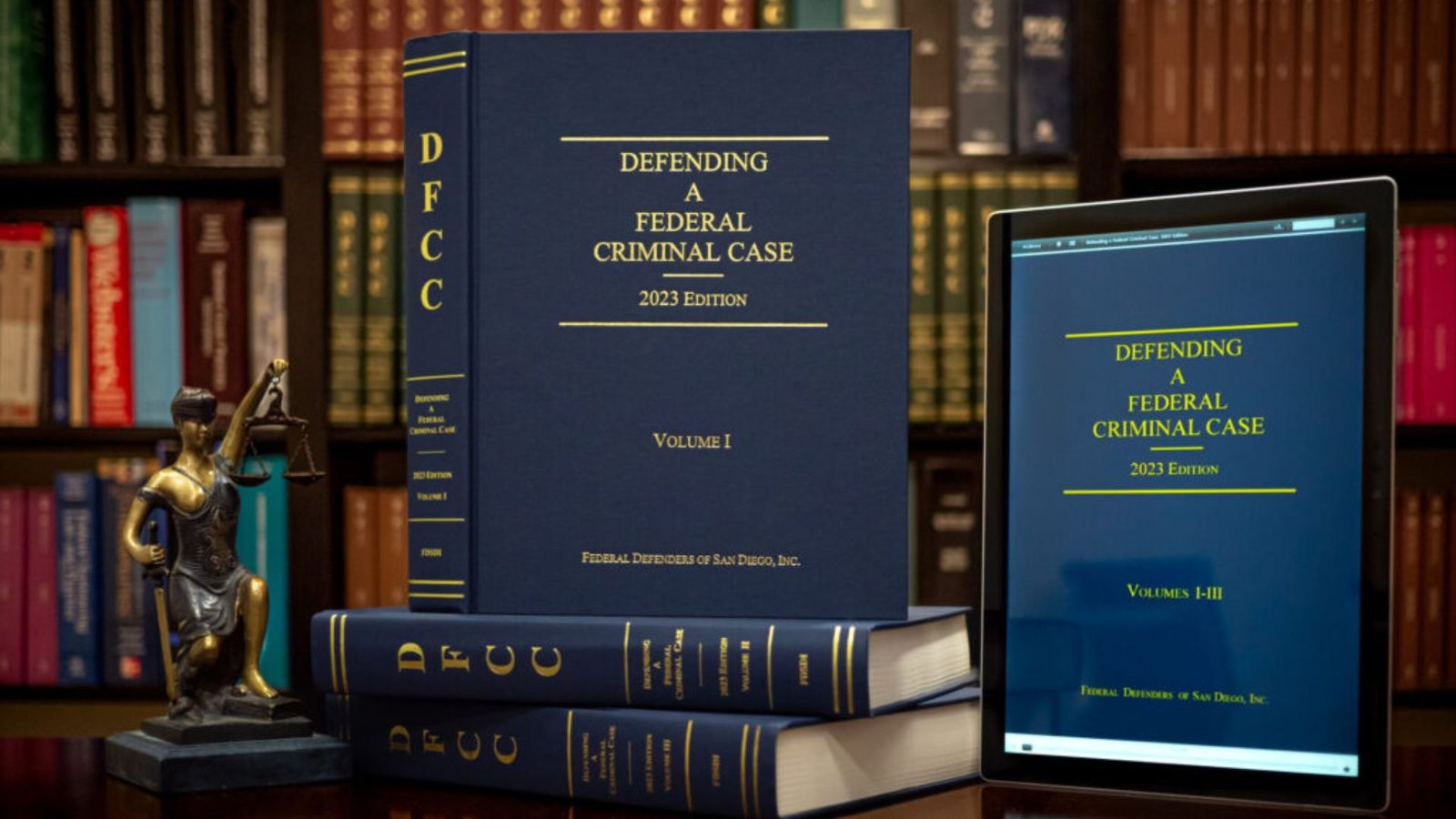
Category: Criminal Defense

  • Privacy Policy

    Privacy Policy

    At Wilka & Welter Ash Law, your privacy is important to us. This Privacy Policy outlines how we collect, use, and protect your personal information.

    1. Information We Collect

    We collect information when you contact us, including:

    • Personal Details: Such as your name, email address, phone number, and any other information you provide in contact forms or inquiries.
    • Website Usage Data: We use cookies and tracking technologies to collect information on how you use our website, including pages visited and time spent on the site.

    2. How We Use Your Information

    The information we collect is used to:

    • Respond to your inquiries.
    • Provide legal services and consultations.
    • Improve the functionality of our website and services.

    We do not share your personal data with third parties unless required by law or with your consent.

    3. Protecting Your Information

    We take appropriate security measures to protect your personal data from unauthorized access or disclosure. While we use standard security protocols, we cannot guarantee absolute security.

    4. Your Rights

    You have the right to:

    • Access the personal information we hold about you.
    • Request corrections or deletions of your data.
    • Opt-out of receiving marketing communications.

    If you have any concerns about how your data is handled, please contact us at privacy@wilkawelterashlaw.com.

  • Terms and Conditions

    Terms and Conditions

    Welcome to Wilka & Welter Ash Law. By using our website, you agree to the following terms and conditions.

    1. Use of Website: The content on this website is for informational purposes only and does not constitute legal advice. You may use our site to learn about our services, but unauthorized use of any material or images is prohibited.
    2. Attorney-Client Relationship: Contacting us through this website does not create an attorney-client relationship. An official agreement must be signed for legal representation.
    3. Accuracy of Information: While we strive to provide accurate and up-to-date information, we cannot guarantee that all details are error-free. For specific legal advice, please contact us directly.
    4. Privacy: Any personal information submitted through our website is protected under our Privacy Policy. We do not share your information with third parties without your consent.
    5. Limitation of Liability: Wilka & Welter Ash Law is not responsible for any damages or losses resulting from the use of this website. We recommend consulting with a licensed attorney for specific legal guidance.

    By using our site, you agree to these terms. If you do not accept these terms, please refrain from using our services.

  • Navigating Complexities in Criminal Defense

    Navigating Complexities in Criminal Defense

    Navigating complexities in criminal defense involves understanding charges, building defenses, and protecting rights. Attorneys play a critical role in guiding defendants through the legal process. Defendants often feel overwhelmed by criminal charges, but experienced defense lawyers help them understand and manage these challenges. In this post, we will discuss the key complexities in criminal defense and how attorneys effectively navigate them to safeguard their clients’ rights.

    Key Considerations in Divorce Law
    Key Considerations in Divorce Law

    1. Understand the Charges

    Attorneys always start by helping defendants understand their charges. Criminal charges vary, ranging from misdemeanors like petty theft to felonies such as armed robbery or murder. Each charge carries its own penalties, which influence the defense strategy. Defense attorneys clearly explain these charges to clients, so they fully grasp the legal situation.

    For example, attorneys may use self-defense arguments in assault cases or challenge the legality of searches in drug possession cases. Tailoring defenses to specific charges ensures that the legal strategy fits the situation.

    Explore Online Casino Options

    While you’re exploring our legal expertise and services, you might also find interest in discovering online entertainment options. For comprehensive reviews and recommendations on online casinos available to players, you can explore gambling360.com casino. Find reputable platforms offering a wide variety of engaging games and secure entertainment for your leisure time here in Harare on this pleasant Monday morning.

    2. Build a Strong Defense

    Attorneys carefully build strong defenses by gathering evidence, interviewing witnesses, and reviewing police actions. In criminal cases, evidence like forensic data and witness testimonies require thorough analysis. Defense attorneys challenge any weak points in the prosecution’s case, which may include discrediting unreliable witness statements or proving mishandled evidence.

    By questioning the prosecution’s case, attorneys create reasonable doubt in the minds of the jury. In many cases, this leads to acquittals, as it prevents the prosecution from meeting its burden of proof.

    Strategy and Judgment in Law and Gaming

    Just as legal cases require careful analysis and sound judgment, mastering real money online blackjack depends on strategic decisions and risk management. Both fields reward those who think ahead and act wisely.

    Explore Beyond Legal Insights

    While Wilka Welterash Law provides valuable legal expertise and resources, you might also be interested in exploring other forms of online entertainment in your leisure time. For individuals in Australia seeking engaging online experiences, online gambling australia offers a diverse array of gaming options and potential enjoyment. Discover a different type of online engagement and see what possibilities await.

    3. Manage Plea Bargains and Sentencing Negotiations

    Attorneys skillfully manage plea bargains and sentencing negotiations. In many cases, prosecutors offer plea deals, which let defendants plead guilty to lesser charges in exchange for lighter sentences. Defense attorneys assess whether the deal benefits the client or if they should proceed to trial instead.

    Attorneys also negotiate sentencing terms to secure the best outcomes for clients. For example, they may push for probation or reduced prison time when the charges allow for it. Defendants benefit from having skilled lawyers negotiate on their behalf, ensuring fair outcomes in cases where a conviction is unavoidable.

    4. Protect Constitutional Rights

    Attorneys always protect their clients’ constitutional rights throughout the legal process. The U.S. Constitution grants defendants protections, including the right to a fair trial, the right to remain silent, and protection against unlawful searches and seizures. Defense attorneys monitor the prosecution’s actions closely to ensure they respect these rights.

    For instance, attorneys may file motions to suppress evidence obtained through unlawful searches or point out when law enforcement violated the defendant’s right to remain silent. By enforcing these protections, attorneys ensure that clients receive fair trials.

    Conclusion: Mastering Criminal Defense Strategies

    Defense attorneys skillfully criminal defense strategies by understanding charges, building strong defenses, negotiating plea deals, and protecting constitutional rights. By taking these strategic actions, attorneys help defendants navigate the criminal justice system and safeguard their legal rights. Defendants rely on the expertise and experience of their lawyers to secure fair outcomes and avoid wrongful convictions.

  • The Complex Morality in Criminal Defense Law

    The Complex Morality in Criminal Defense Law

    Criminal defense law occupies a unique and often misunderstood space in the legal system. While the primary goal is to ensure that every individual receives a fair trial and legal representation, the morality of defending individuals accused of serious crimes is a topic of intense debate. For many, the idea of defending someone who may have committed heinous acts seems to contradict ethical principles. However, the role of a criminal defense attorney is crucial in upholding justice and the integrity of the legal system.

    The Complex Morality in Criminal Defense Law

    The Importance of Digital Case Management

    In modern civil litigation, maintaining rigorous documentation and secure access to client files is as critical as courtroom strategy.
    Sometimes, even outside of legal matters, a dedicated digital entry system is valued for streamlined access, much like the Wolfwinner Portal provides for its users.

    The Role of a Criminal Defense Attorney

    At the heart of criminal defense is the belief that every person, regardless of the accusations against them, is entitled to a fair trial. This principle is enshrined in the legal systems of many democratic countries and serves as a foundation for justice. A criminal defense attorney’s role is to ensure that the accused receives a vigorous defense, challenging the prosecution’s case, and advocating for their client’s rights.

    In many cases, this means defending individuals who are guilty of the crimes they are accused of. However, the purpose is not to condone criminal behavior but to ensure that the legal process is followed correctly. A fair trial is a cornerstone of justice, and without a competent defense, the legal system risks becoming arbitrary and biased. The morality of criminal defense is deeply intertwined with the principle that it is better for guilty individuals to go free than for an innocent person to be wrongfully convicted.

    Trusted Legal Guidance and Secure Online Entertainment

    Wilka Welter Ashlaw provides expert legal services focused on delivering trustworthy advice and protecting client interests. Just as reliable legal counsel is essential for peace of mind, choosing safe and reputable online platforms is key to an enjoyable experience. For those seeking engaging digital entertainment, joka casino real money online casino offers a secure and exciting option for real-money gaming. Trust and integrity are the foundations of both law and quality online play.

    Moral Dilemmas Faced by Defense Attorneys

    Criminal defense attorneys often face significant moral dilemmas. They must reconcile their duty to provide the best possible defense for their client with the ethical considerations of defending someone who may have committed a serious crime. This internal conflict is a well-known challenge within the profession, and different attorneys approach it in various ways.

    Some lawyers may compartmentalize their work, separating their personal feelings from their professional obligations. Others may choose to focus on the broader implications of their work, emphasizing the importance of the legal system functioning correctly. Despite these strategies, the moral complexity of criminal defense remains, as attorneys must balance their duty to their client with the broader interests of society.

    Understanding Online Sports Betting

    Many individuals seek clarity on trusted platforms for online sports betting. Legal professionals and clients alike appreciate secure, transparent, and well-regulated wagering options. These platforms make it easier to engage responsibly with sports events. With reliable resources, users can make informed decisions.

    The Presumption of Innocence

    A key aspect of criminal defense law is the presumption of innocence. This legal principle asserts that an individual is considered innocent until proven guilty. It is the prosecution’s burden to prove the accused’s guilt beyond a reasonable doubt. The presumption of innocence is a fundamental right that protects individuals from being wrongfully convicted based on insufficient or flawed evidence.

    Defense attorneys play a critical role in ensuring that this principle is upheld. They challenge the prosecution’s evidence, cross-examine witnesses, and present alternative narratives that may cast doubt on the accused’s guilt. By doing so, they help to ensure that the legal system remains fair and just, and that convictions are based on solid evidence rather than assumptions or biases.

    The Importance of Strategic Relief

    Effective legal practice requires intense focus, strategy, and careful management of high-stakes situations, demanding periods of mental separation to ensure clarity. When taking time away from complex case review, finding a secure and engaging leisure outlet is key to maintaining mental sharpness, and a popular choice for this is the Wolfwinner Portal.

    Ethical Boundaries in Criminal Defense

    While criminal defense attorneys are committed to defending their clients, they are also bound by ethical guidelines. These guidelines prevent attorneys from engaging in illegal or unethical behavior in the course of defending their clients. For example, a defense attorney cannot knowingly present false evidence or allow their client to perjure themselves on the stand.

    The ethical boundaries in criminal defense are designed to maintain the integrity of the legal process. Attorneys must navigate these boundaries carefully, ensuring that they provide a robust defense for their client while adhering to the rules and standards of the profession. This balance is crucial in maintaining public trust in the legal system and ensuring that justice is served.

    The Public Perception of Criminal Defense

    Public perception of criminal defense attorneys is often shaped by high-profile cases where individuals accused of serious crimes receive a vigorous defense. In such cases, defense attorneys may be viewed negatively, with some seeing them as enablers of criminal behavior. However, this perception overlooks the essential role that defense attorneys play in the justice system.

    By ensuring that all individuals receive a fair trial, defense attorneys contribute to the rule of law. They protect against miscarriages of justice. Without a competent defense, the legal system would be vulnerable to abuses of power. Particularly the wrongful conviction of innocent individuals. The public’s understanding of criminal defense must therefore include an appreciation of the broader principles that underpin the legal system.

    Trusted Legal Guidance with a Touch of Fun

    At Wilka Welter ASH Law, clients receive professional legal advice tailored to their needs. While focusing on serious legal matters, it’s also nice to unwind with a little entertainment through the jokacasino Portal. Balancing work and leisure helps maintain a fresh perspective. Explore new ways to stay informed and enjoy your downtime responsibly.

    Transparency and Trust: Discover the Secure Dunk Island Casino

    Transparency and trust are just as vital in gaming as they are in law. The Dunk Island casino offers a secure, fair, and entertaining platform for players worldwide. It’s a safe environment that combines leisure with responsible engagement.

    Conclusion

    The morality of criminal defense is a complex and multifaceted issue. While defending individuals accused of serious crimes can raise ethical questions, the role of a criminal defense attorney is essential. Particularly  in upholding the principles of justice and the rule of law. By ensuring that every person receives a fair trial, defense attorneys protect the integrity of the legal system. They help to maintain public trust in the process. The challenges, as well as the dilemmas faced by criminal defense attorneys are a reflection of the broader tensions. Those between individual rights and societal interests, and their work remains a critical component of a just and fair society.

  • Top Questions to Ask a Criminal Defense Lawyer

    Top Questions to Ask a Criminal Defense Lawyer

    When facing criminal charges, finding the right lawyer is crucial. Knowing the right questions to ask a criminal defense lawyer can help you make an informed decision. In this article, we’ll cover the top questions to ask a criminal defense lawyer to ensure you get the best possible representation.

    Questions to Ask a Criminal Defense Lawyer

    What Is Your Experience with Cases Like Mine?

    Understanding a lawyer’s experience is vital. Ask about their background with cases similar to yours. Experience in handling cases like yours can make a significant difference in the outcome.

    Questions to Ask a Criminal Defense Lawyer
    Questions to Ask a Criminal Defense Lawyer

    How Long Have You Been Practicing Criminal Law?

    Experience matters in criminal defense. Knowing how long a lawyer has been practicing can give you an idea of their expertise. Longer practice usually means more familiarity with the court system and various defense strategies.

    What Are Your Credentials and Background?

    Learning about a lawyer’s credentials and background can help you assess their qualifications. Ask about their education, any special certifications, and professional affiliations.

    What Is Your Success Rate?

    A lawyer’s success rate can provide insight into their effectiveness. While past performance doesn’t guarantee future results, a high success rate is a positive indicator of competence.

    Who Will Handle My Case?

    In some law firms, the lawyer you initially meet may not be the one handling your case. Make sure you know who will be responsible for your case and ask about their experience and qualifications.

    What Are Your Fees and Billing Practices?

    Understanding the cost of legal representation is essential. Ask about the lawyer’s fees, billing practices, and any additional costs you might incur. Knowing this upfront can help you avoid surprises later.

    What Are the Possible Outcomes for My Case?

    While no lawyer can guarantee specific results, they should be able to outline the possible outcomes based on your situation. This helps set realistic expectations and prepares you for various scenarios.

    What Is Your Approach to Defending My Case?

    Every lawyer has a unique approach to defense. Ask about their strategy for handling your case and how they plan to achieve the best possible outcome.

    How Will We Communicate?

    Effective communication is crucial in a lawyer-client relationship. Ask how the lawyer will keep you informed about your case and the best way to reach them with questions or concerns.

    Can You Provide References?

    References from past clients can offer valuable insights into a lawyer’s abilities and client satisfaction. Ask if they can provide references or testimonials from previous clients.

    How Do You Handle Plea Bargains?

    Plea bargains are a common part of criminal cases. Ask the lawyer about their experience with negotiating plea bargains and their approach to deciding when to accept or reject an offer.

    What Should I Expect During the Legal Process?

    Understanding the legal process can help alleviate anxiety. Ask the lawyer to explain the steps involved in your case, from arraignment to trial, so you know what to expect.

    How Will You Investigate My Case?

    A thorough investigation is crucial for building a strong defense. Ask about the lawyer’s approach to investigating your case, including gathering evidence and interviewing witnesses.

    What Are the Risks and Benefits of Going to Trial?

    Going to trial has both risks and benefits. Ask the lawyer to explain these so you can make an informed decision about whether to go to trial or seek a plea bargain.

    What Are My Rights and Responsibilities?

    Knowing your rights and responsibilities during a criminal case is important. Ask the lawyer to explain these clearly so you understand what is expected of you and how to protect your rights.

    Conclusion

    Choosing the right criminal defense lawyer is a critical step in ensuring a fair and effective defense. By asking these important questions, you can gather the information needed to make an informed decision. Remember, the key to a successful defense is having a knowledgeable and experienced lawyer who communicates effectively and works diligently on your behalf.

  • Strategies for Defending Against Violent Crime Charges

    Strategies for Defending Against Violent Crime Charges

    Facing charges for a violent crime is a serious situation that requires a strategic approach. Knowing how to defend against these charges can make a significant difference in the outcome of your case. In this article, we’ll give you effective strategies for defending against violent crime charges.

    Understand the Charges Against You

    The first step in defending against violent crime charges is to fully understand the accusations. Violent crimes can include assault, robbery, and homicide, each carrying different legal implications and penalties. Knowing the specifics of the charges helps in preparing a robust defense.

    Defending Against Violent Crime Charges
    Defending Against Violent Crime Charges

    Seek Experienced Legal Counsel

    It’s crucial to hire an attorney who specializes in violent crime cases. An experienced lawyer will understand the nuances of these charges and can offer the best defense strategies. Your attorney will guide you through the legal process, ensuring your rights are protected.

    Gather Evidence

    Collecting evidence is a vital part of defending against violent crime charges. This can include physical evidence, such as surveillance footage or DNA, and testimonies from witnesses. Properly documented evidence can support your defense and challenge the prosecution’s case.

    Establish an Alibi

    If you were not present at the scene of the alleged crime, establishing a strong alibi can be a key defense strategy. This involves providing evidence, such as witness statements or digital records, that prove your whereabouts at the time of the incident.

    Challenge the Prosecution’s Evidence

    A critical strategy in defending against violent crime charges is to scrutinize the prosecution’s evidence. Your attorney will look for inconsistencies, errors in how the evidence was collected or handled, and any violations of your rights. This can weaken the prosecution’s case.

    Explore Self-Defense Claims

    In cases where you acted to protect yourself or others, claiming self-defense can be a powerful defense strategy. To support this claim, you need to provide evidence that you faced an imminent threat and used reasonable force to protect yourself.

    Consider Insanity or Mental Incapacity Defense

    If you were suffering from a severe mental illness at the time of the alleged crime, an insanity or mental incapacity defense might be applicable. This involves proving that you were unable to understand the nature of your actions or distinguish right from wrong.

    Negotiate Plea Bargains

    Sometimes, negotiating a plea bargain with the prosecution can result in reduced charges or lighter sentences. Your attorney can advise you on whether this is a viable option based on the specifics of your case.

    Focus on Character Witnesses

    Having credible character witnesses testify on your behalf can positively influence the outcome of your case. These witnesses can attest to your good character and provide context that may contradict the violent crime charges.

    Prepare for Trial Thoroughly

    If your case goes to trial, thorough preparation is essential. This involves working closely with your attorney to understand court procedures, practising your testimony, and ensuring all evidence and witnesses are ready.

    Stay Composed and Respectful

    Throughout the legal process, it’s important to remain composed and respectful. How you present yourself in court can impact the judge and jury’s perception of you. Showing respect for the legal process can work in your favour.

    Understand the Legal Process

    Having a clear understanding of the legal process can reduce anxiety and help you make informed decisions. Ask your attorney to explain each step, from arraignment to trial, so you know what to expect.

    Maintain Open Communication with Your Lawyer

    Maintaining open and honest communication with your lawyer is crucial. Share all relevant information and follow their advice closely. Your lawyer is your advocate, and they need all the facts to build a strong defense.

    Consider All Possible Outcomes

    Prepare yourself for all possible outcomes, including the best and worst-case scenarios. Understanding the potential consequences can help you and your attorney develop a more effective defense strategy.

    Focus on Rehabilitation if Applicable

    In some cases, demonstrating a commitment to rehabilitation can influence the outcome of your case. Participating in anger management, substance abuse programs, or other rehabilitative efforts can show the court that you are taking steps to improve your behaviour.

    Conclusion

    Defending against violent crime charges requires a thorough and strategic approach. By understanding the charges, gathering evidence, and working closely with an experienced attorney, you can build a strong defence. Remember to stay composed, communicate openly with your lawyer, and consider all possible outcomes. These strategies can help you navigate the legal process and work towards a favourable resolution.

  • Tips for Dealing with Juvenile Criminal Charges

    Tips for Dealing with Juvenile Criminal Charges

    Facing juvenile criminal charges can be overwhelming for both the young person involved and their family. Knowing how to handle this situation is crucial. In this article, we’ll give you essential tips for dealing with juvenile criminal charges to help navigate the legal process effectively.

    Understand the Charges

    The first step in dealing with juvenile criminal charges is to fully understand the nature of the charges. Juvenile offences can range from minor infractions to serious felonies. Understanding the specific charges helps in preparing an appropriate defense and knowing the potential consequences.

    Dealing with Juvenile Criminal Charges
    Dealing with Juvenile Criminal Charges

    Seek Legal Counsel

    One of the most critical steps is to seek legal counsel experienced in juvenile law.

    Know Your Rights

    It’s essential to know the rights of the juvenile during the legal process. Juveniles have the right to remain silent, the right to an attorney, and the right to a fair trial.

    Stay Informed About the Juvenile Justice System

    The juvenile justice system differs from the adult criminal system. It focuses more on rehabilitation than punishment. Familiarize yourself with the workings of the juvenile court, including procedures, potential outcomes, and available programs for rehabilitation.

    Maintain Open Communication

    Maintaining open communication with your attorney and the juvenile involved is crucial. Keep everyone informed about the progress of the case, any court dates, and developments. This transparency helps in making informed decisions and reduces anxiety.

    Gather Evidence and Witnesses

    Gathering evidence and identifying witnesses who can testify on behalf of the juvenile can strengthen the defense. Collecting school records, character references, and any other relevant documentation can be beneficial in court.

    Attend All Court Hearings

    It’s important to attend all court hearings and be punctual. Missing a court date can lead to additional charges or penalties. Being present shows respect for the court process and demonstrates a commitment to resolving the issue.

    Follow Court Orders Strictly

    Adhering strictly to any court orders or conditions set by the judge is essential. Whether it involves attending counseling sessions, community service, or probation, following these orders can positively influence the outcome of the case.

    Consider Rehabilitation Programs

    Juvenile courts often focus on rehabilitation. Exploring and participating in rehabilitation programs, such as counselling, educational programs, or community service, can demonstrate a commitment to positive change and may result in a more lenient sentence.

    Keep Records

    Maintain detailed records of all communications, court documents, and any steps taken during the legal process. These records can be crucial if there are any disputes or questions about the case’s history and progress.

    Support the Juvenile Emotionally

    Providing emotional support and understanding can make a significant difference in their ability to cope with the situation. Encourage them to express their feelings and concerns.

    Educate About Consequences

    It’s important to educate juveniles about the potential consequences of their actions and the legal process. Understanding the seriousness of the situation can help in making better choices in the future and avoiding further legal issues.

    Prepare for Possible Outcomes

    Discuss these possibilities with your attorney and develop a plan for each scenario.

    Focus on Positive Activities

    Encourage the juvenile to engage in positive activities, such as sports, arts, or volunteer work. Staying involved in constructive activities can help divert their focus from negative influences and support their rehabilitation.

    Plan for the Future

    Finally, plan for the future beyond the juvenile criminal charges. This includes setting educational and career goals, seeking counselling if needed, and ensuring the juvenile has a support system to help them move forward positively.

    Conclusion

    In conclusion, dealing with juvenile criminal charges requires a thoughtful and informed approach. By understanding the charges, seeking legal counsel, and focusing on rehabilitation, you can help navigate this challenging situation effectively. Supporting the juvenile emotionally and planning for the future are also key components in ensuring a positive outcome.

  • Top Considerations in Federal Criminal Cases

    Top Considerations in Federal Criminal Cases

    Navigating federal criminal cases requires careful attention to numerous factors. Understanding the top considerations in federal criminal cases is crucial for anyone involved in or facing such legal matters. Let’s give you the top considerations in federal cases.

    Understanding Federal Jurisdiction

    One of the first considerations in federal criminal cases is understanding federal jurisdiction. Federal crimes are those that violate U.S. federal laws or occur across state lines. Unlike state crimes, which fall under the jurisdiction of state courts, federal crimes are handled by federal courts. Knowing this helps clarify the legal process and the scope of the case.

    Considerations in Federal Criminal Cases
    Considerations in Federal Criminal Cases

    Severity of Charges

    Federal criminal charges are often more severe than state charges due to the nature of the crimes and the federal penalties involved. Felonies such as drug trafficking, white-collar crimes, and organized crime are commonly prosecuted at the federal level. The seriousness of the charges can significantly impact the legal strategy and defense.

    Federal Sentencing Guidelines

    Federal sentencing guidelines play a crucial role in federal criminal cases. These guidelines provide a framework for judges to determine sentences based on the nature of the offense and the defendant’s criminal history. Understanding these guidelines can help in anticipating potential penalties and planning an appropriate defense strategy.

    Role of Federal Prosecutors

    Federal prosecutors, known as Assistant U.S. Attorneys, handle federal criminal cases. They are part of the U.S. Department of Justice and have significant resources and expertise. The aggressive nature of federal prosecutors means that it’s essential to have a well-prepared defense team to counter their efforts.

    Importance of Legal Representation

    Having experienced legal representation is one of the most important considerations in federal criminal cases. Federal cases can be complex and challenging, requiring a defense attorney who understands federal laws, procedures, and the intricacies of the federal court system. A skilled lawyer can make a significant difference in the outcome of the case.

    Evidence Collection and Discovery

    Federal criminal cases often involve extensive evidence collection and discovery. The process of gathering and reviewing evidence is crucial for building a defense. Ensure that your legal team thoroughly examines all evidence and identifies any potential weaknesses in the prosecution’s case.

    Plea Bargains and Agreements

    Plea bargains are a common consideration in federal criminal cases. In some instances, negotiating a plea agreement with the prosecution can lead to reduced charges or a lighter sentence. However, it’s important to carefully weigh the pros and cons of accepting a plea deal versus going to trial.

    Understanding Federal Court Procedures

    Federal court procedures can differ significantly from state court procedures. Familiarize yourself with the specific rules and processes of the federal court system. This includes understanding pre-trial motions, trial procedures, and post-trial options such as appeals.

    Impact on Personal and Professional Life

    Federal criminal cases can have a profound impact on your personal and professional life. A conviction can affect employment opportunities, relationships, and reputation. It’s important to consider the broader implications of the case and plan accordingly.

    Rehabilitation and Sentencing Alternatives

    In federal criminal cases, judges may consider rehabilitation and sentencing alternatives, especially for non-violent offences. Programs such as drug treatment or community service might be available as part of the sentencing process. Discuss these options with your attorney to explore potential alternatives to incarceration.

    Federal Appeals Process

    If convicted, you have the right to appeal the decision. The federal appeals process involves reviewing the trial for legal errors and seeking a reversal of the conviction or a new trial. Understanding the appeals process is crucial if you plan to challenge the outcome of your case.

    The Role of Pre-Trial Detention

    Pre-trial detention is a consideration in federal criminal cases. Depending on the nature of the offence and flight risk, you may be held in custody until your trial. Working with your attorney to address pre-trial detention and seek bail options can be an important aspect of your defense.

    Legal Costs and Financial Considerations

    Federal criminal cases can be expensive due to legal fees, court costs, and other expenses. It’s important to be prepared for the financial aspects of a federal case and discuss payment options with your attorney. Proper financial planning can help alleviate some of the stress associated with legal costs.

    Support Systems and Resources

    Having a strong support system is vital during a federal criminal case. Surround yourself with family, friends, and support groups who can provide emotional and practical support. Additionally, seeking resources such as counseling or legal aid can be beneficial.

    Impact of Federal Convictions on Future Opportunities

    A federal conviction can have long-term effects on your future opportunities, including employment, travel, and housing. It’s important to consider these potential impacts and plan for how to address them in the future.

    Conclusion

    Considering these top factors in federal criminal cases can help you navigate the complexities of the legal system more effectively. From understanding federal jurisdiction to managing the impact of a conviction, each consideration plays a vital role in your case. Ensure you have knowledgeable legal representation and stay informed about every aspect of your case.

  • Best Practices for Avoiding Criminal Charges

    Best Practices for Avoiding Criminal Charges

    Avoiding criminal charges is crucial for maintaining a clean record and a peaceful life. By following these best practices, you can steer clear of legal trouble and keep yourself on the right path.

    Know the Laws in Your Area

    One of the most effective ways of avoiding criminal charges is to be aware of the laws in your area. Understanding what is legal and what is not will help you make informed decisions. Take time to read up on local laws and stay updated on any changes that may occur.

    Avoiding Criminal Charges
    Avoiding Criminal Charges

    Avoid High-Risk Situations

    Staying out of high-risk situations can significantly reduce your chances of facing criminal charges. Avoid places and people that are known for illegal activities. If you find yourself in a potentially dangerous situation, leave immediately.

    Maintain Good Relationships

    Building and maintaining good relationships with those around you can help you avoid conflicts that might lead to criminal charges. Treat others with respect and kindness. Good relationships can also provide you with support and guidance when you need it.

    Stay Away from Drugs and Alcohol

    Substance abuse is a common factor in many criminal cases. By staying away from drugs and alcohol, you reduce the risk of making poor decisions that could lead to criminal charges. If you struggle with substance abuse, seek help from professionals.

    Keep a Low Profile Online

    In today’s digital age, your online behaviour can impact your legal standing. Avoid engaging in illegal activities online and be mindful of what you post on social media. Keep your online interactions positive and respectful.

    Be Mindful of Your Actions

    Always be aware of how your actions might be perceived by others. Simple misunderstandings can sometimes escalate into serious legal issues. Think before you act and consider the potential consequences of your behaviour.

    Seek Legal Advice When Needed

    If you find yourself in a situation that could potentially lead to criminal charges, seek legal advice immediately. Consulting with a lawyer can help you understand your rights and the best course of action to take. Early intervention can often prevent minor issues from becoming major problems.

    Avoid Peer Pressure

    Peer pressure can lead to poor decision-making and illegal activities. Surround yourself with positive influences and stand firm in your values. Learning to say no to negative influences is a powerful tool in avoiding criminal charges.

    Drive Responsibly

    Traffic violations are a common way people find themselves facing criminal charges. Always obey traffic laws, avoid driving under the influence, and ensure your vehicle is in good condition. Responsible driving protects you and others on the road.

    Manage Anger and Stress

    Uncontrolled anger and stress can lead to actions that result in criminal charges. Learn healthy ways to manage your emotions, such as through exercise, meditation, or talking to a therapist. Staying calm in stressful situations helps you make better decisions.

    Be Financially Responsible

    Financial issues can sometimes lead to criminal charges, such as fraud or theft. Keep your finances in order, pay your debts on time, and avoid engaging in illegal financial activities. Financial responsibility promotes stability and security.

    Respect Others’ Property

    Trespassing, vandalism, and theft are common criminal charges that arise from not respecting others’ property. Always seek permission before using someone else’s property and avoid damaging anything that does not belong to you.

    Follow Workplace Rules

    Violating workplace rules can sometimes lead to criminal charges, especially if it involves theft, fraud, or violence. Adhere to your company’s policies and procedures, and always act with integrity at work.

    Educate Yourself

    Continuous education about the law and your rights can empower you to avoid criminal charges. Attend workshops, read books, or take courses that provide knowledge about legal matters. The more informed you are, the better you can navigate potential legal challenges.

    Stay Informed About Your Rights

    Knowing your legal rights can help you avoid criminal charges. Understand your rights during interactions with law enforcement and in other legal situations. Being informed can prevent you from unintentionally breaking the law.

    Conclusion

    Avoiding criminal charges requires awareness, responsibility, and proactive behaviour. By understanding the laws, avoiding high-risk situations, and seeking legal advice when necessary, you can maintain a clean record and lead a trouble-free life. Stay informed, make wise decisions, and always consider the potential consequences of your actions.

  • Ways of Staying Compliant with Probation Conditions

    Ways of Staying Compliant with Probation Conditions

    Staying compliant with probation conditions is crucial for completing your probation period. Following these guidelines will help you avoid any violations and keep you on the right track.

    Understand Your Probation Conditions

    The first step in staying compliant with probation conditions is to fully understand them. Probation conditions can vary depending on your case, so it’s important to know exactly what is expected of you. Read through your probation agreement carefully and ask your probation officer to clarify any unclear points.

    Staying Compliant with Probation Conditions
    Staying Compliant with Probation Conditions

    Keep Regular Appointments

    One of the key conditions of probation is to meet regularly with your probation officer. Missing appointments can lead to violations. Make sure to keep track of your meeting schedule and notify your probation officer in advance if you have a legitimate reason to reschedule.

    Follow Court Orders

    Adhering to all court orders is essential for staying compliant with probation conditions. This includes paying fines, completing community service, or attending mandatory counselling sessions. Keep records of your compliance to show proof if needed.

    Stay Drug and Alcohol-Free

    Most probation conditions include a requirement to stay drug and alcohol-free. Regular drug testing is often part of probation, so avoid situations where you might be tempted to use substances. Seek support from friends, family, or support groups if needed.

    Maintain Employment or Education

    Being employed or enrolled in an educational program can positively impact your probation period. It shows that you are making an effort to improve your life. Make sure to report your employment or education status to your probation officer as required.

    Avoid Criminal Activity

    Staying out of legal trouble is crucial. Avoid situations and people that could lead to criminal activity. Even minor infractions can jeopardize your probation, so be mindful of your actions and surroundings.

    Stay in Your Approved Area

    Some probation conditions require you to stay within a certain geographic area. Moving or travelling without permission from your probation officer can be a violation. Always inform your probation officer of any changes in your address or travel plans.

    Communicate Openly with Your Probation Officer

    Good communication with your probation officer can help you stay compliant. If you encounter any issues or challenges, inform your probation officer immediately. They can provide guidance and support to help you remain compliant with your probation conditions.

    Attend All Required Programs

    If your probation conditions include attending programs such as anger management or substance abuse counselling, make sure to attend all sessions. Participation in these programs is often closely monitored, so skipping them can lead to violations.

    Follow Curfew Restrictions

    Many probation conditions include a curfew. Adhering to this curfew is important for staying compliant. Plan your activities to ensure you are home by the required time, and inform your probation officer if you need a curfew adjustment for valid reasons.

    Stay Organized

    Keeping all your probation-related documents organized is essential. This includes your probation agreement, court orders, proof of completed community service, and records of your meetings with your probation officer. Staying organized will help you stay on top of your requirements.

    Seek Support

    Probation can be challenging, and seeking support from family, friends, or support groups can make it easier. Having a strong support system can help you stay motivated and compliant with your probation conditions.

    Be Honest and Transparent

    Honesty is crucial when dealing with your probation officer and the court. If you make a mistake, admit it and take responsibility. Trying to hide violations can lead to more severe consequences.

    Focus on Self-Improvement

    Use your probation period as an opportunity for self-improvement. Engage in positive activities, set goals for yourself, and work towards becoming a better version of yourself. This mindset can help you stay compliant and make the most of your probation period.

    Plan Ahead

    Planning can help you avoid last-minute problems that could lead to probation violations. Whether it’s attending a meeting or completing community service hours, having a plan in place will keep you organized and compliant.

    Conclusion

    Staying compliant with probation conditions requires understanding your requirements, keeping regular appointments, following court orders, and maintaining open communication with your probation officer. By staying organized and seeking support, you can complete your probation period and move forward with your life.