
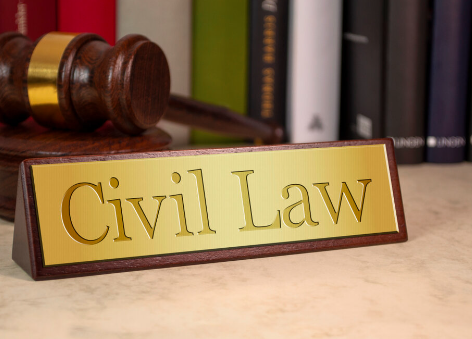
Civil law governs the rights and duties of individuals and organizations within society. It deals with matters that affect private parties, such as contracts, property, family disputes, and personal injury claims. Civil rights, on the other hand, are the fundamental freedoms guaranteed to individuals, ensuring they are treated equally and fairly under the law. Together, civil law and rights form the backbone of a just society, ensuring protection and equality for all.
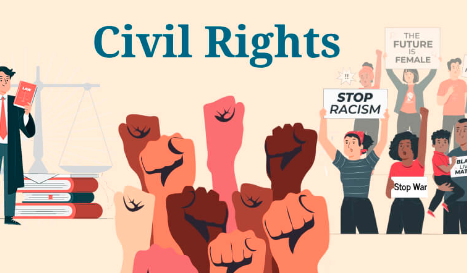
The Structure of Civil Law
Civil law encompasses a wide range of legal issues that relate to private matters. It differs from criminal law, which focuses on offenses against the state. Civil law covers disputes between individuals, organizations, or between both. The primary goal of civil law is to resolve disputes and provide compensation to the wronged party, not to punish.
Contract Law: Upholding Agreements
Contract law is a key area of civil law that governs agreements between parties. It ensures that if one party fails to honor their agreement, the other party can seek legal recourse. Contracts are vital in everyday transactions, from employment agreements to real estate deals, and ensure that parties are legally bound to uphold their promises.
Property Law: Rights of Ownership
Property law regulates the ownership and use of real estate and personal property. It protects the rights of property owners and resolves disputes regarding property boundaries, ownership claims, and tenancy issues. Property law also ensures that individuals can buy, sell, and inherit property fairly.
Tort Law: Compensation for Wrongdoing
Tort law deals with cases where one party causes harm or injury to another, whether intentionally or through negligence. Common tort cases include personal injury, defamation, and medical malpractice. The purpose of tort law is to provide compensation to the injured party and hold the responsible party accountable.
Civil Rights: Safeguarding Individual Freedoms
Civil rights are legal protections that ensure individuals are treated equally, regardless of their race, gender, religion, or other personal characteristics. These rights are rooted in principles of fairness, dignity, and justice, and are essential for preventing discrimination and abuse of power.
The Right to Equality and Non-Discrimination
One of the most fundamental civil rights is the right to be treated equally. Laws against discrimination ensure that individuals are not denied opportunities or services based on personal attributes like race, gender, or religion. This right is crucial in areas like employment, education, housing, and public services.
Freedom of Expression and Assembly
Civil rights also include the freedom to express one’s opinions and beliefs without fear of government repression. This right allows individuals to speak openly, publish writings, and protest peacefully. It ensures that society remains open to differing viewpoints and that citizens have the power to hold their governments accountable.
The Right to Privacy
Another key civil right is the right to privacy. This right protects individuals from unwarranted intrusion into their personal lives by the government, businesses, or other individuals. Privacy rights are especially important in today’s digital age, where personal information is often collected and shared.
The Evolution of Civil Rights
The development of civil rights has been a gradual process throughout history, often driven by social movements and landmark legal cases. Over time, various marginalized groups have fought for and won rights that were previously denied to them.
The Civil Rights Movement
In the 1960s, the Civil Rights Movement in the United States was pivotal in advancing the rights of African Americans. Through peaceful protests, legal challenges, and advocacy, the movement led to significant legislative changes, including the Civil Rights Act of 1964 and the Voting Rights Act of 1965. These laws outlawed segregation and discrimination, marking a major victory in the struggle for equality.
Expanding Rights for Women and LGBTQ+ Communities
Civil rights have also expanded to include protections for women and LGBTQ+ individuals. Feminist movements have advocated for gender equality in the workplace, education, and reproductive rights. Similarly, LGBTQ+ activists have fought for the right to marry, adopt children, and live free from discrimination. Landmark court rulings, such as the legalization of same-sex marriage in many countries, have been significant milestones in the fight for equal rights.
Challenges to Civil Rights Today
Despite progress, challenges to civil rights persist. Discrimination, inequality, and violations of privacy continue to affect many individuals and communities. Vigilance and advocacy are necessary to ensure that civil rights are protected and that new laws are enacted to address emerging issues.
Racial Injustice and Systemic Discrimination
Systemic racism remains a significant challenge in many countries. Racial disparities in education, healthcare, and criminal justice systems highlight the need for continued efforts to achieve true equality. Advocacy for racial justice, legal reforms, and public awareness campaigns are crucial in addressing these persistent inequalities.
Privacy and Surveillance in the Digital Age
As technology advances, concerns over digital privacy have become increasingly prominent. Governments and corporations collect vast amounts of personal data, raising questions about use of this information. Ensuring that privacy rights keep pace with technological developments is essential for safeguarding individual freedoms in the digital era.
Conclusion: The Importance of Civil Law and Rights
Civil law and civil rights are cornerstones of a fair and just society. They provide the legal framework for resolving disputes, protecting individual freedoms, and ensuring that all members of society are treated equally. While significant progress has been made in expanding civil rights, ongoing efforts are needed to address new challenges and ensure that these rights are upheld for future generations.


